Why Physical Exercise Is Good for Your Digestive Health
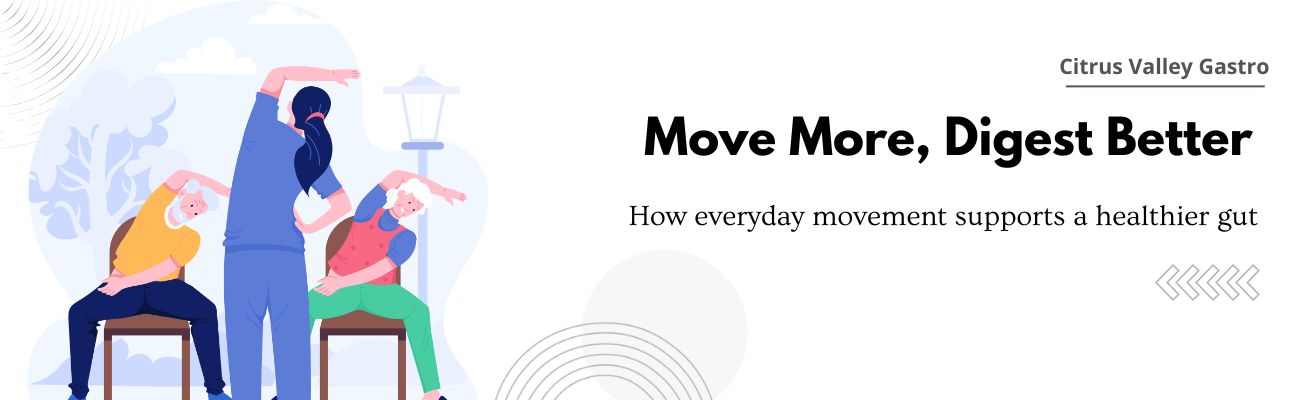
The sensation of being full or stuffed after eating. The sluggish stomach that never quite feels right. If your gut isn't feeling well more often than not, you're not alone, and you're not imagining it. Mandy adults are suffering or feeling a bit uncomfortable with bloating, irregular bowel movements and stomach pain, without even realizing that something as a change in diet can help them.
In clinical practice, digestive issues are among the most common reasons that patients come to us for advice, and movement is one of the first and safest recommendations made before discussing medication. In this guide, you'll learn exactly how exercise ofr gut health works, the activities that provide the best digestion, and how you can create a workout plan for your tummy that will thank you for.
How Does Physical Exercise Help Digestion?
Digestion isn't only about what you eat but how well your body moves food through your system. There are multiple interrelated pathways in the body that explain how exercise is beneficial for digestive health.
- Boosts intestinal motility: Physical activity strengthens the muscles of the gastrointestinal tract, helping contractions push waste through the colon more efficiently. Exercise stimulates intestinal contractions that move stool through the colon more efficiently, helping prevent the colon from absorbing too much water from waste material, which results in softer stools that pass more easily.
- Improves blood flow: Low-to-moderate-intensity exercise can improve intestinal blood flow and promote bowel motility, which is important for daily functioning. This is a major reason why exercise is important for digestive health, since better circulation supports nutrients absorption and tissue repair.
- Supports the gut microbiome: Research shows that exercise, apart from diet, increases the diversity of the gut microbiome and stimulates the growth of beneficial bacterial species.
- Reduces inflammation: Moderate exercise has anti-inflammatory effects throughout the body, including within the digestive tract, which may ease symptoms tied to chronic gut irritation.
- Eases bloating and gas: Gentle movement, especially motions involving twisting or bending, helps release trapped gas and reduces abdominal distension.
The key word throughout the research is moderate. According to a systematic review published in a peer-reviewed gastroenterology journal, walking, swimming, and yoga have beneficial effects on motility and inflammation without overstimulation of the GI system, while intense or prolonged exertion can sometimes have the opposite effect. Your gut doesn't need intensity, it needs balance.
Can Exercise Help Gastritis?
Gastritis, inflammation of the stomach lining, causes symptoms like gnawing pain, nausea, bloating, and indigestion. Movement won't cure gastritis, but it can meaningfully support recovery when done the right way.
Stress is a well-documented trigger for gastritis flare-ups, since it increases stomach acid production and worsens inflammation. Regular, moderate exercise lowers cortisol levels and calms the nervous system's stress response, which may indirectly reduce gastritis symptoms. Exercise also stimulates healthy gastrointestinal motility, helping food move through the stomach more efficiently rather than sitting and fermenting, a common cause of the bloating and discomfort many gastritis patients report.
That said, timing and intensity matter a great deal here. High-intensity or prolonged exercise, particularly on an empty stomach or in the heat, can reduce blood flow to the gut and worsen irritation rather than help it. If you have diagnosed gastritis, gentle walking, restorative yoga, or light stretching are safer starting points than vigorous training. Always consult your physician before starting a new routine, especially with an active gastric condition, since individual triggers vary widely from person to person.
Best Exercise for Good Digestion: Top 7 Picks
Not all movement affects the gut the same way. Below are the most well-supported options for supporting a healthy stomach and bowel function.
- Walking: A 15–20 minute walk after meals is one of the most researched, low-risk ways to speed gastric emptying and ease bloating.
- Yoga: Poses involving gentle twists (like seated spinal twist) stimulate intestinal movement and are frequently linked to reduced IBS symptoms.
- Swimming: A low-impact, full-body activity that improves circulation to digestive organs without jarring the abdomen.
- Cycling (leisurely pace): Encourages rhythmic core engagement that can help relieve constipation.
- Pilates: Strengthens the core and diaphragm, which supports healthier digestive positioning and reduces bloating over time.
- Deep belly breathing exercises: Often overlooked, diaphragmatic breathing massages abdominal organs and activates the vagus nerve, which plays a central role in gut-brain communication.
- Light stretching or tai chi: Both have shown particular effectiveness in easing digestive discomfort tied to stress and slow motility, according to recent gut-exercise research.
A Simple, Sustainable Routine Helps in Digestion
You don't need an intense program to see benefits. Most current guidance points to roughly 150 minutes of moderate activity weekly, spread across the week rather than crammed into one or two sessions.
- Start with 10–15 minutes daily and build gradually
- Prioritize consistency over intensity
- Stay well hydrated before, during, and after activity
- Avoid vigorous exercise immediately after large meals
- Pair movement with fiber-rich foods and adequate water intake for compounding benefits
This steady, moderate approach reflects what a physician-reviewed overview of digestive-system exercise benefits also emphasizes: your gut responds better to consistent, gentle movement than to occasional intense effort.
Exercise supports digestive wellness, but it isn't a substitute for medical care. If you experience persistent abdominal pain, unexplained weight loss, blood in your stool, or ongoing vomiting, contact a digestive health specialist promptly. These symptoms can indicate conditions that require diagnosis and treatment beyond lifestyle changes.
Your gut is more responsive to daily habits than most people realize. Simple, moderate movement, whether it's a walk after dinner or a few minutes of stretching, can noticeably ease bloating, support regularity, and calm inflammation over time. Building this habit isn't about perfection; it's about consistency your body can rely on.
This content is intended for general educational purposes and does not replace personalized medical advice. Speak with a licensed healthcare provider before making significant changes to your exercise routine, especially if you have an existing digestive condition.
FAQs:
1. How does physical exercise help digestion?
Physical exercise helps digestion by boosting intestinal motility and blood flow to the gut. Moderate activity like walking strengthens gastrointestinal muscles, speeds waste movement through the colon, and supports a diverse, healthy gut microbiome for smoother digestion overall.2. Can exercise help gastritis?
Yes, moderate exercise can help gastritis indirectly by reducing stress hormones and inflammation that worsen stomach lining irritation. However, intense workouts may increase symptoms, so gentle activities like walking or yoga are safer for active gastritis flare-ups.3. What are the best exercises for gut health?
The best exercises for gut health include walking, yoga, swimming, cycling, and Pilates. These low-to-moderate intensity activities improve motility, reduce bloating, support healthy gut bacteria, and ease constipation without overstressing the digestive system.4. How often should I exercise for better digestion?
Aim for about 150 minutes of moderate exercise weekly, spread across most days. Short daily walks, especially after meals, are highly effective for improving motility, reducing bloating, and supporting long-term digestive health without overexertion.5. Does walking after eating improve digestion?
Yes, walking after eating improves digestion by speeding gastric emptying and reducing bloating. A gentle 15-to-20-minute walk stimulates intestinal motility, helps regulate blood sugar, and supports smoother food movement through the stomach and intestines.Published on 10 Jul, 2026
