Why GERD Might Be Behind Your Bloating and Stomach Pain
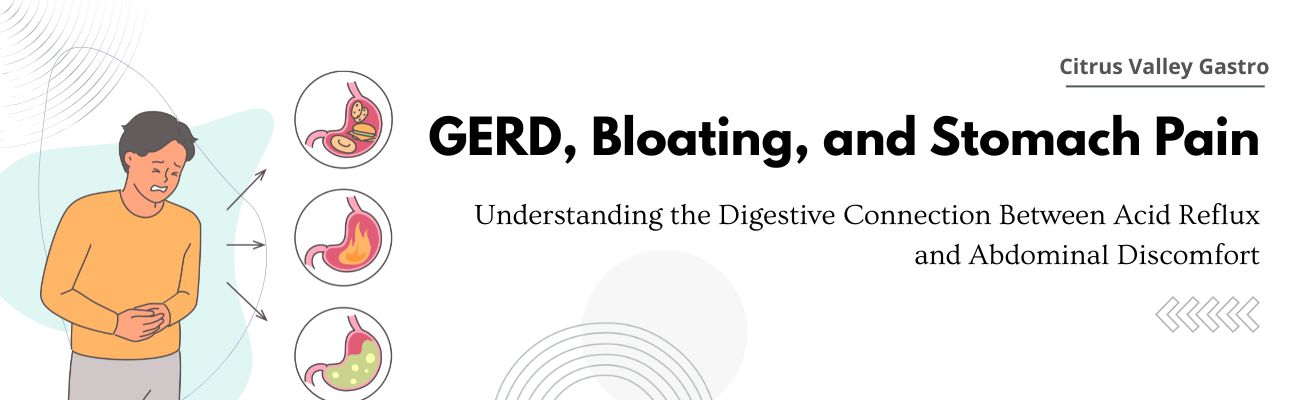
That tight, overly full feeling in your stomach after a normal-sized meal. The dull ache under your ribs that shows up almost every evening. The persistent burning sensation of the chest that occurs when you're just on the verge of sleep. If any of this sounds familiar, you've probably already typed some version of "can GERD cause bloating" into a search bar at 11 p.m., hoping for an answer that makes sense. This is one of the most common questions people bring to their doctor and for good reason: the symptoms are intertwined in confusing ways.
In this guide, you'll learn how gastroesophageal reflux disease (GERD) is connected to bloating and stomach pain, what's actually happening inside your digestive tract, and which symptom patterns are worth flagging to your doctor.
What Is GERD?
GERD stands for gastroesophageal reflux disease. It happens when the lower esophageal sphincter, the muscular valve between your stomach and esophagus, weakens or relaxes at the wrong times. This allows stomach acid to travel backward into the esophagus instead of staying where it belongs. GERD is diagnosed when acid reflux happens at least twice a week for several weeks in a row, and the condition affects roughly one in five people in the United States.
You'll not be surprised if you have heartburn after a spicy meal. GERD is different because it's chronic, and over time it can involve more than just a burning chest. That's where bloating and stomach pain enter the picture.
Can GERD Cause Bloating?
Yes, GERD can cause bloating, and it's actually one of the more commonly reported symptoms in people living with chronic reflux. Bloating happens when gas builds up in the stomach or upper intestines, creating that stretched, "inflated balloon" sensation along with pressure, fullness, and an urge to burp.
There are a few reasons GERD and abdominal bloating tend to show up together:
- Swallowed air: People with reflux often swallow more frequently to clear the sour taste or throat irritation caused by acid, and this extra swallowing brings extra air into the stomach.
- Delayed stomach emptying: When food sits in the stomach longer than it should, it can ferment and produce gas, adding to that bloated feeling.
- Weakened sphincter function: The same muscle weakness that allows acid to escape upward can also make it harder to keep gas from building pressure in the upper digestive tract.
Research published on PubMed has noted that abdominal bloating is common among GERD patients and is often underreported in clinical settings, partly because there's no simple test to measure how often or how severely it occurs. It's also associated with lower satisfaction with treatment and a reduced quality of life, which is exactly why this symptom deserves more attention than it usually gets.
Can GERD Cause Bloating and Gas? Why That Air Gets Trapped
Bloating and gas tend to travel together, and GERD can contribute to both. When acid irritates the stomach lining or the esophagus, digestion can slow down, and trapped air has nowhere to go but up or down, resulting in belching, flatulence, or that heavy, gassy discomfort after eating.
Some people with GERD also develop mild inflammation in the stomach lining, sometimes linked to H. pylori bacteria, which can add to bloating and frequent belching. If you've been asking yourself, "can GERD cause bloating and gas at the same time," the honest answer is that the two symptoms often share the same root cause: acid disrupting the normal rhythm of digestion.
GERD and Abdominal Bloating vs. Other Causes
Not all bloating comes from reflux, and it helps to know the difference. GERD-related bloating tends to show a recognizable pattern, while bloating from other conditions often looks a little different.
Bloating is more likely linked to GERD when it:
- Shows up after meals, especially large or fatty ones
- Comes with burning, regurgitation, or a sour taste
- Feels worse when lying down soon after eating
- Improves somewhat with upright posture or smaller meals
Bloating may point to a different cause when it:
- Is centered in the lower abdomen rather than the upper stomach
- Comes with major changes in bowel habits, such as constipation or diarrhea
- Isn't linked to specific trigger foods tied to reflux
- Persists regardless of meal timing or position
This distinction matters because treating the wrong cause rarely brings lasting relief, which is exactly why an accurate diagnosis from a healthcare provider is so valuable.
Can GERD Cause Stomach Pain?
GERD can absolutely cause stomach pain, though it doesn't always feel the way people expect. Instead of a sharp, localized pain, GERD-related discomfort often presents as a burning or gnawing sensation in the upper abdomen, sometimes extending up toward the chest.
When stomach acid repeatedly washes back into the esophagus, it can cause ongoing discomfort and, over time, lead to changes in the esophageal lining. That irritation doesn't stay neatly confined to the chest. It can radiate into the upper stomach area, which is why so many people describe GERD and stomach pain as a single, overlapping experience rather than two separate issues.
GERD and Stomach Pain: Common Patterns to Watch For
Understanding when GERD and stomach pain tend to appear together can make the connection easier to recognize:
- Pain after eating, particularly following large, fatty, spicy, or acidic meals
- Discomfort that worsens when lying flat, since gravity no longer helps keep acid down
- Burning that travels upward, starting in the stomach and moving toward the chest or throat
- Nighttime flare-ups, often disrupting sleep a few hours after a late dinner
- A gnawing or pressure-like ache, distinct from the sharp pain associated with other digestive conditions
If these patterns sound familiar, it's a reasonable reason to bring the topic up at your next doctor's visit rather than trying to self-diagnose.
Other Symptoms That Often Come With GERD
Bloating and stomach pain rarely travel alone. GERD can also involve:
- Heartburn or a burning sensation behind the breastbone
- Regurgitation of food or sour liquid
- A chronic cough or hoarseness
- A sensation of a lump in the throat
- Nausea or a reduced appetite
- Frequent belching
Seeing several of these symptoms together often strengthens the case for a reflux-related cause rather than an unrelated digestive issue.
Lifestyle Habits That May Help Ease Symptoms
These general habits are commonly discussed in digestive health education and may support comfort, but they aren't a substitute for personalized medical advice:
- Eat smaller, more frequent meals instead of large portions
- Avoid lying down for two to three hours after eating
- Limit common trigger foods like fried items, caffeine, alcohol, and carbonated drinks
- Maintain a moderate, healthy body weight
- Elevate the head of your bed slightly if nighttime symptoms are common
- Eat slowly and avoid talking excessively while chewing, which reduces swallowed air
When to See a Gastroenterologist Near You?
Bloating and stomach pain linked to GERD are usually manageable, but certain signs deserve prompt medical attention:
- Severe or worsening abdominal pain
- Unexplained weight loss
- Difficulty or pain when swallowing
- Vomiting, especially with blood
- Black or bloody stools
- Symptoms that persist despite lifestyle changes
A healthcare provider can determine whether your symptoms are related to GERD, another digestive condition, or an overlap of both, and recommend an appropriate path forward.
So, can GERD cause bloating and stomach pain? Yes, it can, and in many cases these symptoms are just as crippling as heartburn, according to the current medical knowledge. Recognizing the pattern- upper abdominal discomfort, bloating after meals, and burning that worsens when lying down- can help you have a more informed conversation with your doctor. If bloating and stomach pain are affecting your day-to-day life, a trusted gastroenterologist remains the best resource for figuring out what's really going on and what to do next.
FAQs:
1. Can GERD cause bloating every single day?
Yes, some people experience daily bloating with chronic GERD, especially if reflux episodes are frequent or triggers like large meals and lying down after eating aren't addressed.2. Can GERD cause bloating and gas without heartburn?
It's possible. Some people have "silent reflux," where bloating, gas, or a sore throat appear without the classic burning sensation in the chest.3. Is GERD and abdominal bloating the same as IBS?
No. They can share symptoms like bloating, but GERD centers on acid moving into the esophagus, while IBS primarily affects bowel function in the lower digestive tract. A doctor can help tell them apart.4. Can GERD cause stomach pain that feels like a stabbing sensation?
GERD pain is usually described as burning, gnawing, or pressure-like rather than sharp or stabbing. Sudden, sharp pain deserves prompt medical evaluation to rule out other causes.5. How long does GERD and stomach pain typically last after eating?
This varies by person, but discomfort often peaks within one to three hours after a meal and gradually eases, especially with upright posture and smaller portions.Published on 17 Aug, 2026
