What Is IBS? Breaking Down the Basics of Irritable Bowel Syndrome
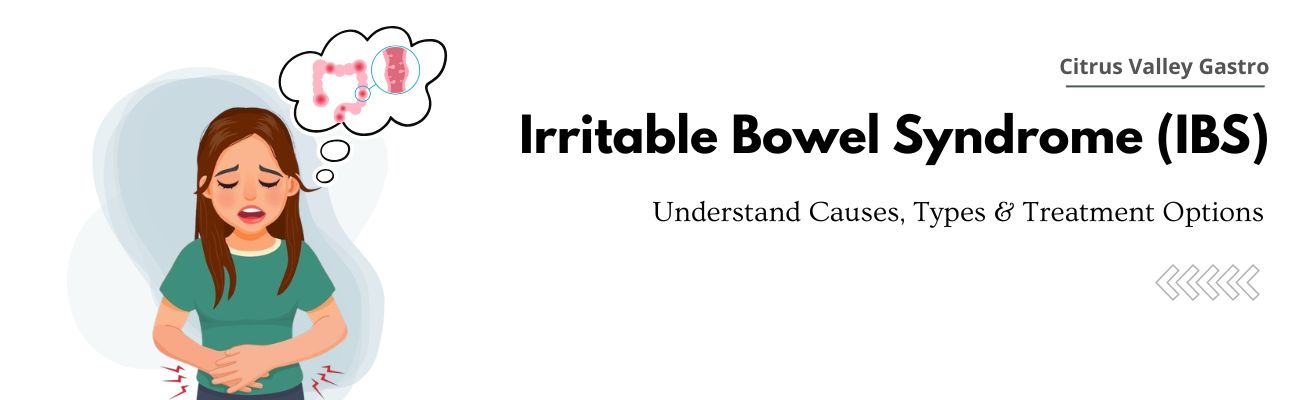
If you've been experiencing recurring stomach pain, unpredictable bathroom trips, or that uncomfortable bloated feeling that just refuses to pass, you're not alone. Millions of Americans live with a chronic digestive condition called irritable bowel syndrome, and most of them spend years without really understanding what's happening in their body.
What Is Irritable Bowel Syndrome?
Common IBS Symptoms in Adults
- Abdominal pain and bloating which is usually relieved after a bowel movement
- Changes in bowel habits — diarrhea, constipation, or both
- Irritable bowel syndrome mucus stools (passing mucus without blood)
- A feeling of incomplete bowel emptying
- Urgency or difficulty controlling bowel movements
The 3 Main IBS Types: IBS-C, IBS-D, and IBS-M
- IBS-C (Constipation-predominant): Constipation in irritable bowel syndrome is the defining feature in this case. Stools are often hard, lumpy, and difficult to pass.
- IBS-D (Diarrhea-predominant): The primary symptoms are loose, watery stools and sudden urgency.
- IBS-M (Mixed): A combination of both constipation and diarrhea, often alternating.
How Is IBS Diagnosed?
What Triggers IBS Flare-Ups?
- Certain foods — dairy, gluten, fried or fatty foods, caffeine, and alcohol
- Stress and anxiety (more on this below)
- Hormonal changes, especially in females
- Eating large meals or eating too quickly
- Gut infections or a history of food poisoning
The Gut-Brain Connection in IBS
Does Irritable Bowel Syndrome Cause Acid Reflux?
How to Treat Irritable Bowel Syndrome
Dietary Changes
Irritable Bowel Syndrome Medication
- Antispasmodics (to relieve cramping)
- Laxatives or fiber supplements (for IBS-C)
- Anti-diarrheal agents like loperamide (for IBS-D)
- Low-dose antidepressants, which can help regulate the gut-brain connection
- Prescription medications like linaclotide or rifaximin for specific subtypes
Irritable Bowel Syndrome Self-Care
- Regular physical activity
- Consistent sleep schedules
- Stress reduction techniques like mindfulness, yoga, or cognitive behavioral therapy (CBT)
- Keeping a food and symptom diary to identify personal triggers
- Staying well hydrated throughout the day
When Should You See an IBS Specialist?
- Blood in your stool
- Unexplained weight loss
- Symptoms that began after age 50
- A family history of colon cancer or IBD
Irritable bowel syndrome specialists — gastroenterologists with experience in gut health and digestion — can properly diagnose your condition, rule out serious diseases, and build a personalized treatment plan that works for your lifestyle.
FAQs:
1. How is IBS typically diagnosed by medical professionals?
IBS is diagnosed using the Rome IV Criteria — a set of symptom-based guidelines that assess the frequency and pattern of abdominal pain and bowel changes. There is no definitive single test, so doctors also run additional tests to rule out other GI conditions.2. What are the differences between IBS-C, IBS-D, and IBS-M?
IBS-C is constipation-predominant, IBS-D is diarrhea-predominant, and IBS-M involves a mixed pattern of both. Each subtype has its own set of recommended treatments.3. Can IBS be cured permanently?
Currently, there is no permanent cure for IBS. However, many people manage their symptoms very effectively through diet, lifestyle changes, and appropriate medication, often reaching long periods without significant flare-ups.4. Is IBS the same as Inflammatory Bowel Disease (IBD)?
No. IBS is a functional disorder with no visible intestinal damage, while IBD (which includes Crohn's disease and ulcerative colitis) involves actual inflammation and damage to the digestive tract. They require very different treatment approaches.5. Does stress really make IBS worse?
Yes — research consistently shows that stress and anxiety can worsen IBS symptoms through the gut-brain axis. Managing psychological stress is considered a core part of comprehensive IBS treatment.Published on 09 Apr, 2026
