IBS vs. IBD: What's the Difference and Why It Matters
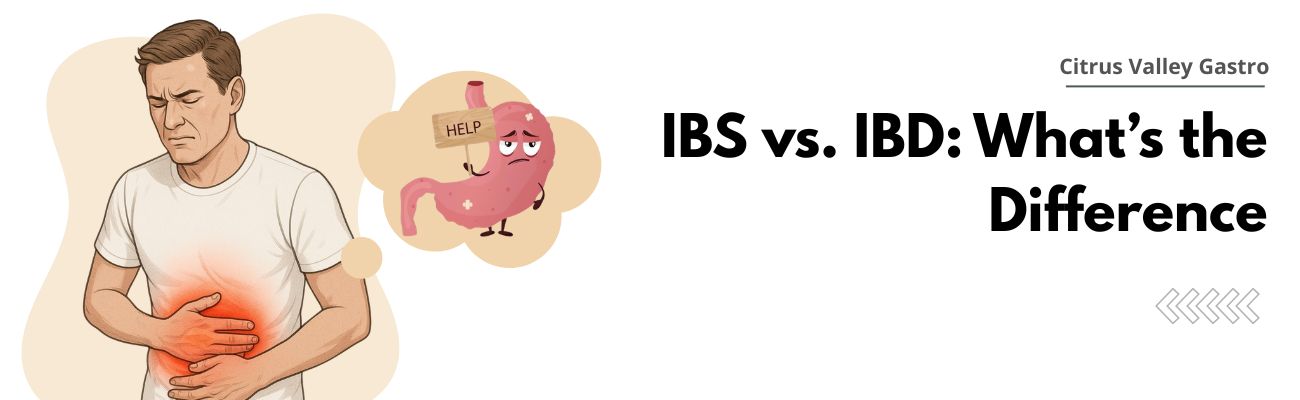
Most people experience digestive discomfort at some point in their lives although when the symptoms become chronic, the question of what exactly is wrong becomes critical. Two conditions that are frequently confused are IBS vs IBD — irritable bowel syndrome (IBS) and inflammatory bowel disease (IBD). They are similar in sound yet have certain symptoms but they are fundamentally different conditions with distinct causes, mechanisms, and treatment approaches. Understanding the difference between IBS vs IBD could significantly impact your health outcomes.
What Is IBS (Irritable Bowel Syndrome)?
What Is IBD (Inflammatory Bowel Disease)?
IBS is a broader term for conditions marked by chronic inflammation of the gastrointestinal tract. The two main primary forms are Crohn's disease and ulcerative colitis — both autoimmune-mediated diseases, where the immune system attacks the gut tissue inappropriately, leading to permanent damage.
Unlike IBS, IBD causes measurable, observable injury to the intestinal lining. IBS vs IBD symptoms differ significantly in severity. The symptoms of IBD may be persistent bloody diarrhea, intense abdominal pain, unintentional weight loss, chronic fatigue, fever, ad nutritional deficiencies. IBD can lead to serious complications such as bowel obstructions, fistuals, abscesses and an increased long-term risk of colorectal cancer.
What Are the Main Differences Between IBS and IBD?
| Feature | IBS | IBD |
| Type | Functional Disorder | Autoimmune/inflammatory disease |
| Intestinal Damage | None | Yes (visible inflammation) |
| Blood in Stool | Rare | Common |
| Diagnosis | Symptom Based | Endoscopy, biopsy, imaging |
| Risk of Complications | Low | High |
| Cure Available | No (managed) | No (managed, sometimes surgery) |
IBS vs IBD: Which Is Worse?
Managing Symptoms: The IBS Syndrome Diet
Recognizing an IBS Flare-Up
FAQs:
1. How to Diagnose IBS vs IBD?
IBS is diagnosed using the Rome IV criteria based on symptoms, after ruling out other conditions with blood tests and stool analysis — there is no single definitive test. IBD is diagnosed through colonoscopy with biopsy, blood markers (CRP, ESR, fecal calprotectin), and imaging like MRI or CT scans.2. What Are the Four Stages of IBS?
IBS has four sub-types, not stages:-IBS-C — Constipation-predominant
-IBS-D — Diarrhea-predominant
-IBS-M — Mixed (both constipation and diarrhea)
-IBS-U — Unclassified (symptoms don't fit other types)
Your sub-type determines the most effective treatment and dietary approach.
3. What Is the 7 Type IBS Poop?
The "7 types of IBS poop" refers to the Bristol Stool Chart, which classifies stool into seven types. Types 1–2 indicate constipation (IBS-C), Types 3–4 are normal, and Types 5–7 indicate loose or watery stools (IBS-D). It helps track bowel patterns and monitor treatment progress.4. What Are the Two Main Triggers for IBD?
The two main triggers for IBD are:1. Genetic and immune factors — a family history of IBD combined with an overactive immune response that attacks the gut lining
2. Environmental factors — gut microbiome disruption, NSAID overuse, smoking, and a diet high in processed foods
5. Can Stress Alone Cause IBS or IBD?
Stress does not cause IBD, but it is a significant trigger for IBS flare ups. Through the gut-brain axis, chronic stress alters gut motility and increases visceral sensitivity, worsening IBS symptoms. For IBD, stress may aggravate flares but is not a primary cause of the disease.Published on 15 Apr, 2026
